
Common Waterproofing Mistakes to Avoid: Don’t Let Water Win
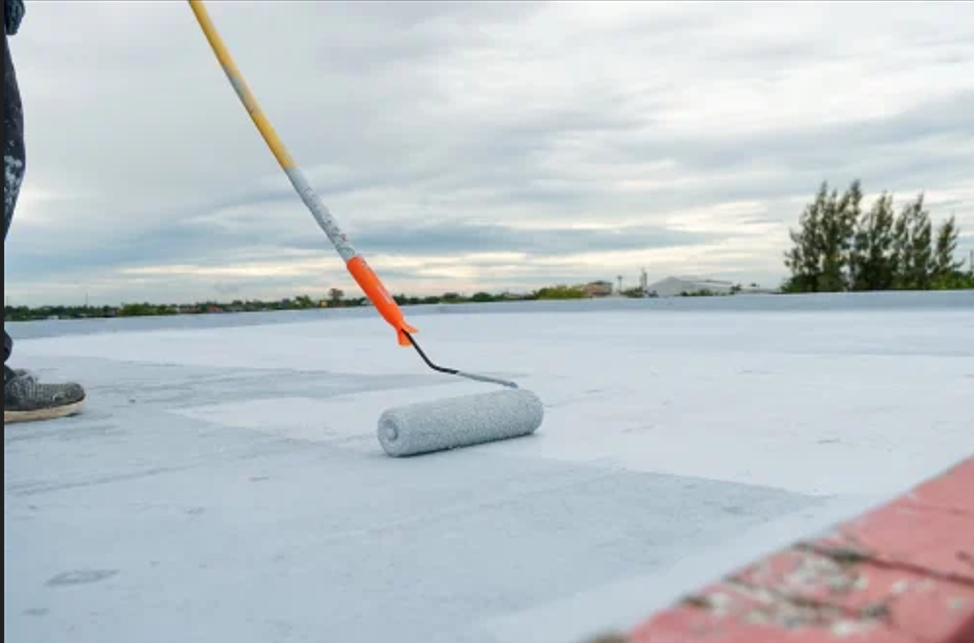
Waterproofing is one of the most crucial steps in any construction or renovation project. Done right, it protects your property from structural damage, mold growth, and costly repairs. Done wrong? You may end up battling persistent leaks, water ingress, or even foundational issues.
Below are the most common waterproofing mistakes people make—and how to avoid them. Whether you’re working on roof waterproofing, basement sealing, or flat roof protection, this guide ensures your waterproofing stands the test of time.
1. Skipping Professional Leak Detection
Mistake: Ignoring early signs of leaks or relying solely on visual inspection.
Why it matters: Small leaks can go unnoticed but still cause major damage behind walls, under floors, or in ceilings.
✅ Avoid it: Always invest in professional leak detection before starting waterproofing. Modern tools like infrared cameras and moisture meters can pinpoint hidden problem areas.
2. Poor Surface Preparation
Mistake: Applying waterproofing materials on dirty, wet, or uneven surfaces.
Why it matters: If the surface isn’t clean or dry, waterproof coatings and membranes won’t bond properly, leading to early failure.
✅ Avoid it: Always clean, dry, and smooth the surface thoroughly before application. Remove dust, oil, debris, and loose particles. For concrete sealing, allow the concrete to cure fully before applying any sealant.
3. Using the Wrong Waterproofing Products
Mistake: One-size-fits-all thinking when choosing waterproofing materials.
Why it matters: Not all products are suited for all areas. Basement walls, flat roofs, and bathrooms each need specific solutions.
✅ Avoid it: Use the right product for the job. For example:
- Use bituminous membranes or liquid rubber for roof waterproofing.
- Choose cementitious waterproofing for bathroom walls.
- Opt for sheet membranes or sealants for basement sealing.
4. Ignoring Drainage System Requirements
Mistake: Overlooking the importance of proper drainage around the foundation or rooftop.
Why it matters: Even the best waterproofing fails if water has nowhere to go. Poor drainage systems can lead to pooling, erosion, and hydrostatic pressure.
✅ Avoid it: Ensure a functional drainage setup:
- Install proper slope grading away from the structure.
- Use French drains or drainage mats in basements.
- For flat roof protection, integrate scuppers, gutters, and outlets.
5. Overlooking Moisture Control
Mistake: Not addressing humidity and condensation issues.
Why it matters: Waterproofing focuses on liquid water, but moisture control is equally vital. High humidity can lead to mold, mildew, and rot.
✅ Avoid it: Use dehumidifiers, ventilation systems, and damp-proof membranes in crawl spaces, basements, and attics.
6. Inadequate Waterproof Membrane Application
Mistake: Applying membranes too thinly, unevenly, or skipping corners and joints.
Why it matters: A weak or incomplete waterproof membrane won’t create a full barrier, leaving weak spots for water to seep in.
✅ Avoid it: Follow manufacturer instructions for membrane thickness and application methods. Pay special attention to:
- Expansion joints
- Corners and floor-wall junctions
- Penetrations like pipes and drains
7. DIY Errors and Shortcuts
Mistake: Choosing DIY waterproofing without the right tools or experience.
Why it matters: Waterproofing is not just about applying a coat of sealant—it requires technical knowledge of materials, structures, and weather behavior.
✅ Avoid it: Hire professionals, especially for large or sensitive areas like foundations or terraces. If you do DIY, use certified products and follow best practices religiously.
8. Failing to Maintain the Waterproofed Area
Mistake: Thinking waterproofing is a one-time job.
Why it matters: Over time, weather, UV rays, foot traffic, or shifting structures can degrade the waterproof barrier.
✅ Avoid it: Schedule regular inspections, especially after heavy rains. Reapply sealants or repair cracked areas when needed. Maintenance is key to long-term damp proofing.
9. No Basement Sealing or Damp-Proofing
Mistake: Leaving basements vulnerable with no sealing or vapor barriers.
Why it matters: Basements are naturally exposed to groundwater pressure. Without basement sealing, water ingress is inevitable.
✅ Avoid it: Apply external waterproof coatings, install a sump pump, and line internal walls with vapor barriers. Combine this with proper grading and drainage around the building.
10. Forgetting Expansion and Movement
Mistake: Not accounting for natural structural movement.
Why it matters: Buildings expand and contract with heat, moisture, and load. Rigid waterproofing layers crack over time.
✅ Avoid it: Use flexible waterproofing membranes that adapt to building movement. Apply extra care to expansion joints and transitions.
Final Thoughts
Waterproofing isn’t just a construction checkbox—it’s your first line of defense against long-term water damage. Whether you’re sealing a concrete deck, protecting a flat roof, or damp-proofing a basement, avoiding these common mistakes ensures durability and peace of mind.
If you’re based in regions like Dubai, where extreme temperatures and humidity levels intensify the need for effective moisture control and concrete sealing, professional expertise is even more crucial.